From a prehistoric settlement to a living resort
The landscape reflects the long history of settlement around Lake Vanajavesi, the manor economy and the work of the Honkajuuri family.
Stages in the history of Kirstula
The timeline is based on the city's building inventory, historic manor publications and the manor's own records. Sources sometimes use different name forms for the earliest periods.
Iron Age settlement and graves
The Kirstula area was used for settlement and burial in prehistoric times. Finds from Rautapaade and Kirstulankärki illustrate the long habitation of the shores of Lake Vanajavesi.
The name Kirstula appears in records
Kirstula is mentioned in written sources in the 1440s. One explanation links the name to a chest-shaped salmon trap used in Kirstulansalmi.
A village of five farms
The village included the Maunula tax farm, the Gläsilä or Lasila and Porila cavalry farms, and the Pölvä or Antila and Jaakkola noble farms.
The farms merge into a manor
The present manor estate gradually emerged as several farms in Kirstula were combined. Owners included members of the Tollet, Spåre, Boije and John families.
The main building takes its present form
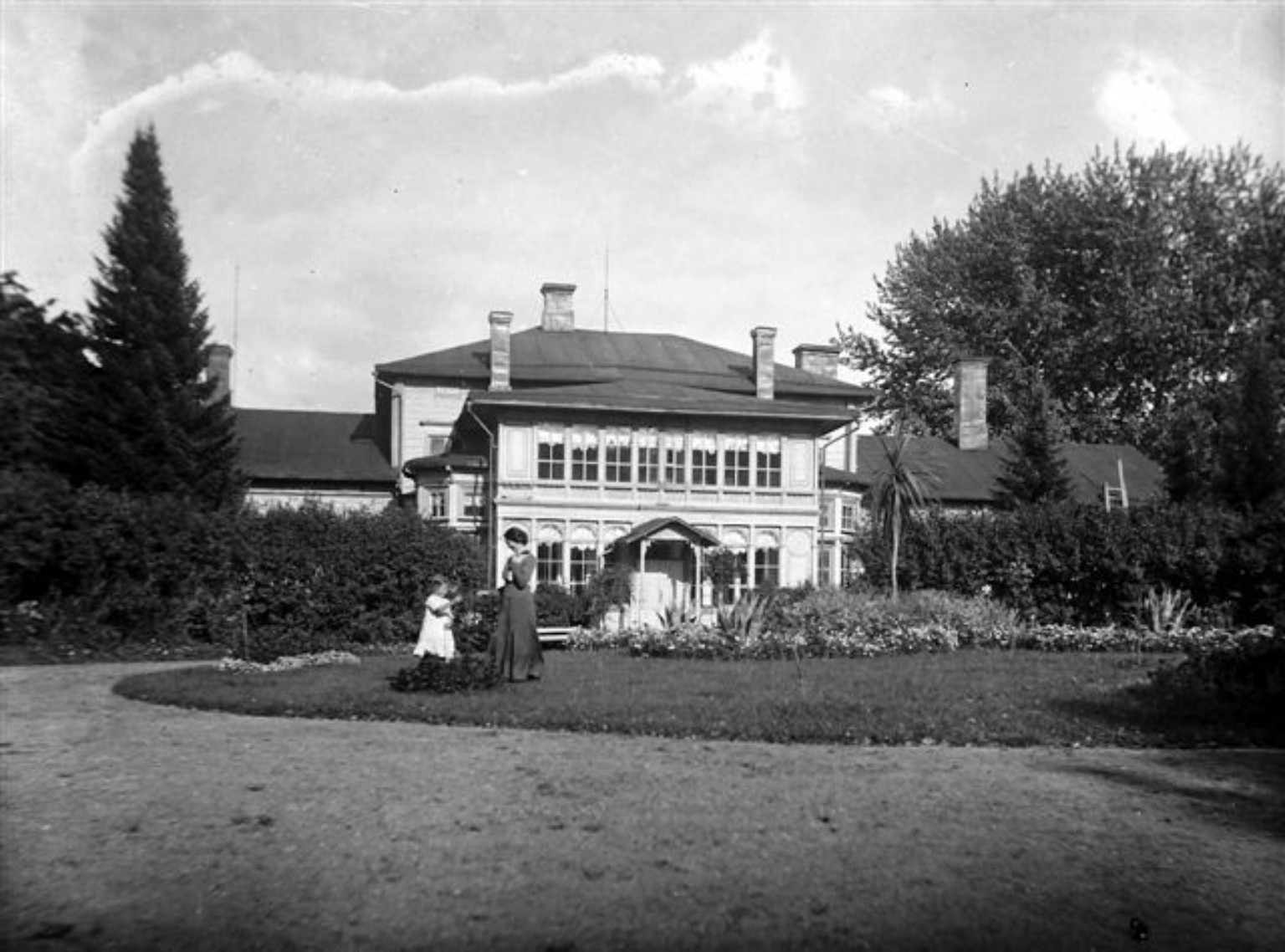
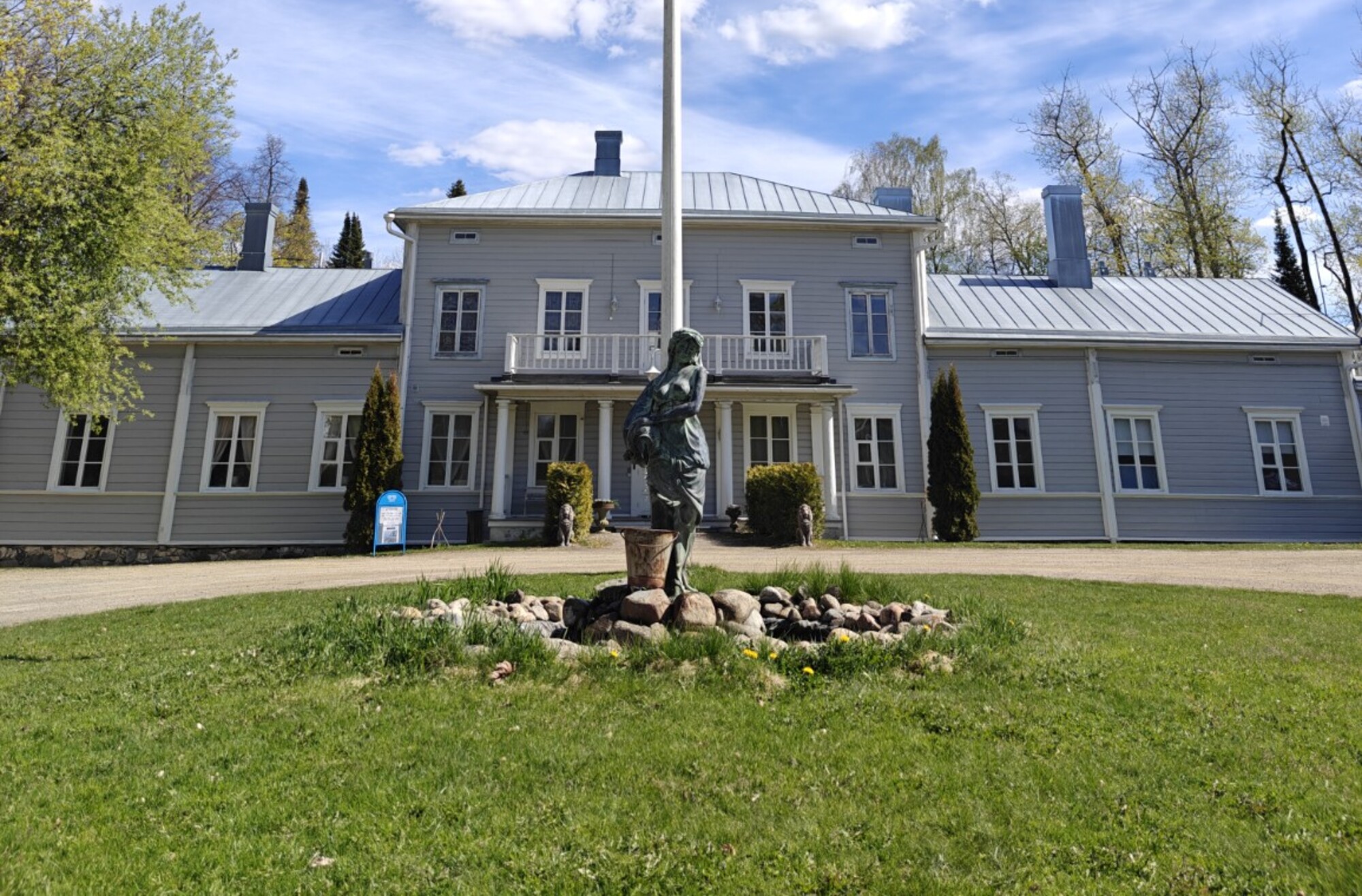
The two-storey core of the main building dates from 1813, and it was expanded into its present Empire-style form in 1843.
The Standertskjöld period
General Carl August Standertskjöld acquired all Kirstula farms in 1852. During Fanny Standertskjöld's time, Kirstula developed into an advanced agricultural estate.
Typhoid epidemic
After a dry summer, water drawn from the lake caused a serious epidemic. Eight people connected with the manor died.
Use by the prison administration
Kansallis-Osake-Pankki leased the estate to the prison administration, and buildings were adapted to its needs.
The Honkajuuri era begins
Mauri Honkajuuri, President and CEO of Kansallis-Osake-Pankki (KOP), purchased the run-down manor and began major restoration. Originally from South Ostrobothnia, Honkajuuri invited sculptor Hannes Autere to design the large South Ostrobothnian Hall on the upper floor of the main building.
Agriculture, a cannery and an indoor pool
During agronomist Jaakko Honkajuuri’s time the estate operated in agriculture and pig farming. A green-pea cannery opened in the 1950s, and an indoor swimming-pool wing was completed in 1968.
Antiikkikartano, Vene- ja Konekirstula and a summer shop
During the 1980s and 1990s the manor developed new lines of activity. Jaakko Honkajuuri’s daughter Liisa Honkajuuri-Hakala founded an antique sales and restoration business called Antiikkikartano together with her husband Väinö Hakala in the estate’s old grain silo. In the stable yard, Vene- ja Konekirstula operated as a family business of Jaakko Honkajuuri and his two sons, focusing on boat sales, servicing and repairs. A modern marina with fuelling and other services was built on the shore, and later a seasonal shop called Kirstulan Kesäkauppa was opened to complement the estate’s summer services.
Restoration and a new phase
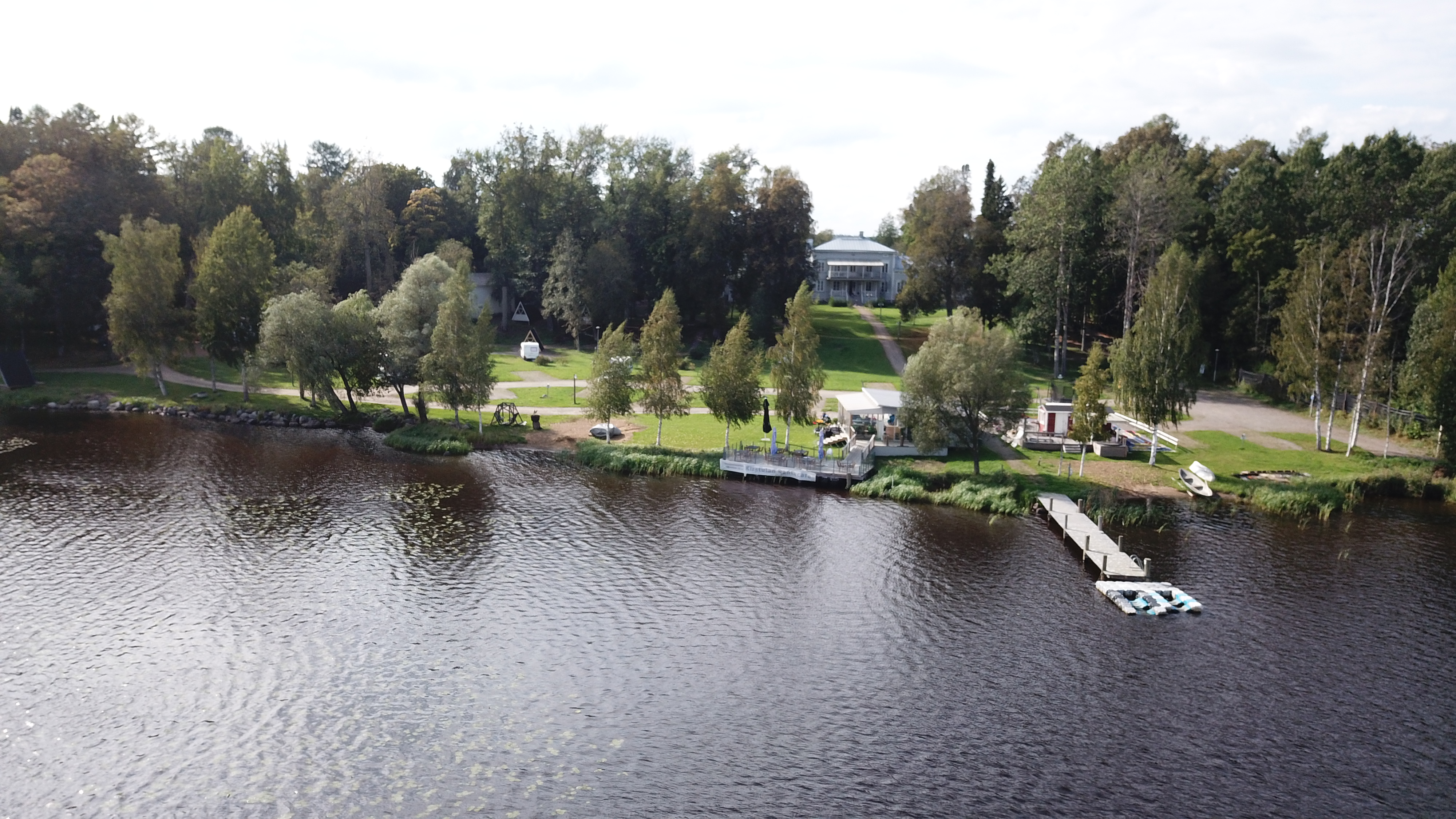
Tuomas Honkajuuri acquired the manor from the estate at the end of 2003, when the property was in poor condition. The main building was renovated and restored as the family home and opened for public use. After the renovation work was completed, the manor began providing celebration, meeting, accommodation and other services. These services have continued and developed ever since as part of the manor’s operations. At the same time, the parkland was restored throughout and the overgrown reclaimed shoreline was completely redeveloped.
Kirstulan Kartano Resort
The pandemic years and crises around the world required rapid decisions about the manor’s future and upkeep. This led to the development of a new year-round resort concept combining the manor’s history with camping, accommodation, the Lakeside Bistro, saunas, activities, celebrations and meeting services.
From a run-down manor to a living destination
When Tuomas Honkajuuri acquired Kirstulan Kartano from the estate at the end of 2003, the manor and its surroundings were in poor condition in many places. The main building was renovated and restored as the family home and opened to the public. After the renovations, celebration, meeting, accommodation and other services were launched at the manor. They have continued ever since and have gradually expanded into the present-day operations of Kirstulan Kartano Resort.
All of the manor parkland was restored and returned to managed use. The shoreline was effectively rebuilt from the ground up: it had previously been overgrown reclaimed land covered with alder and dense vegetation. The area was cleared, the lake view reopened and the grounds developed step by step for their present use.
An Empire-style manor where the details carry the story
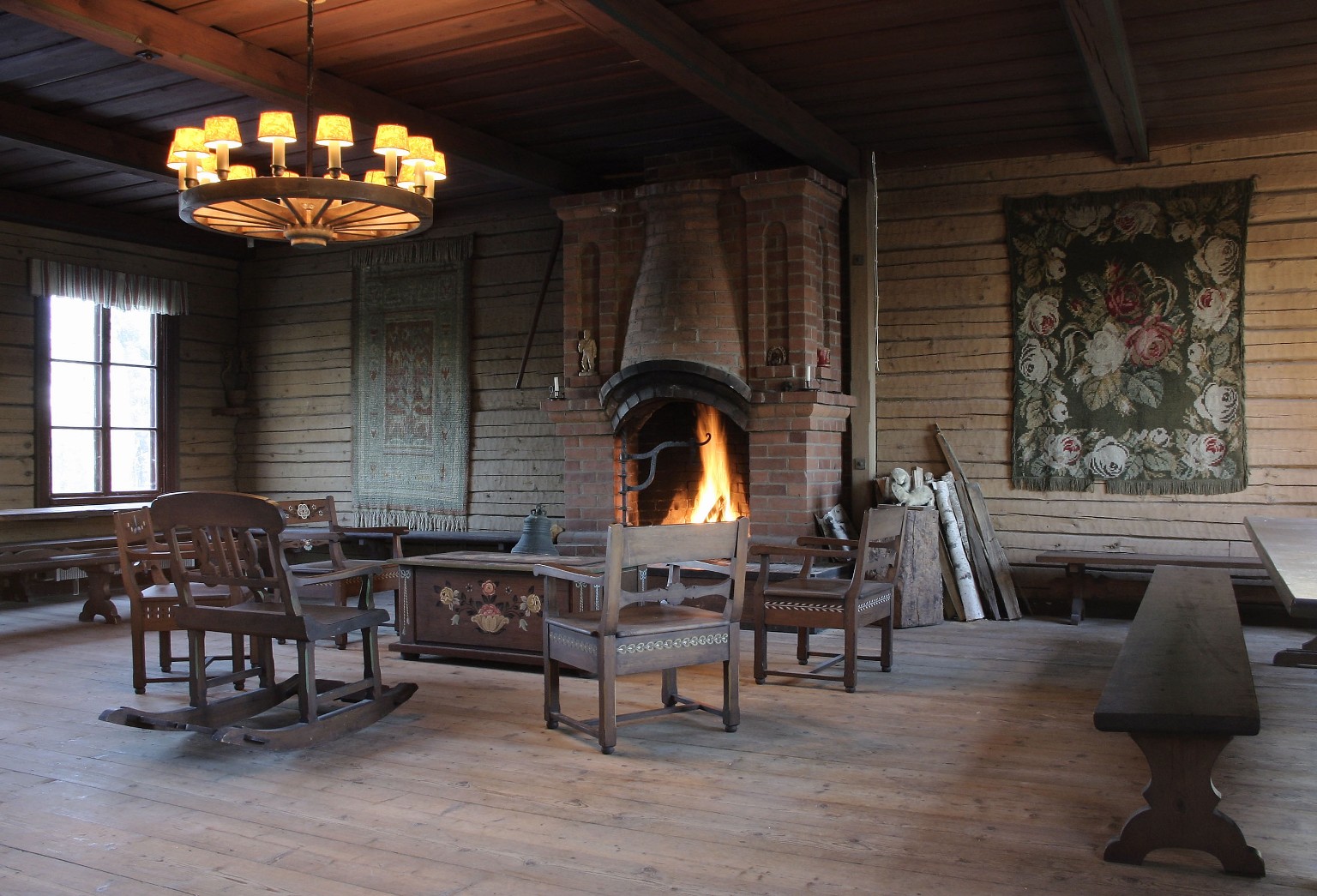
Mauri Honkajuuri, who came from South Ostrobothnia, invited sculptor Hannes Autere to design the large South Ostrobothnian Hall on the upper floor of the main building. The hall is one of the manor’s most distinctive interiors.
Images from old Kirstula
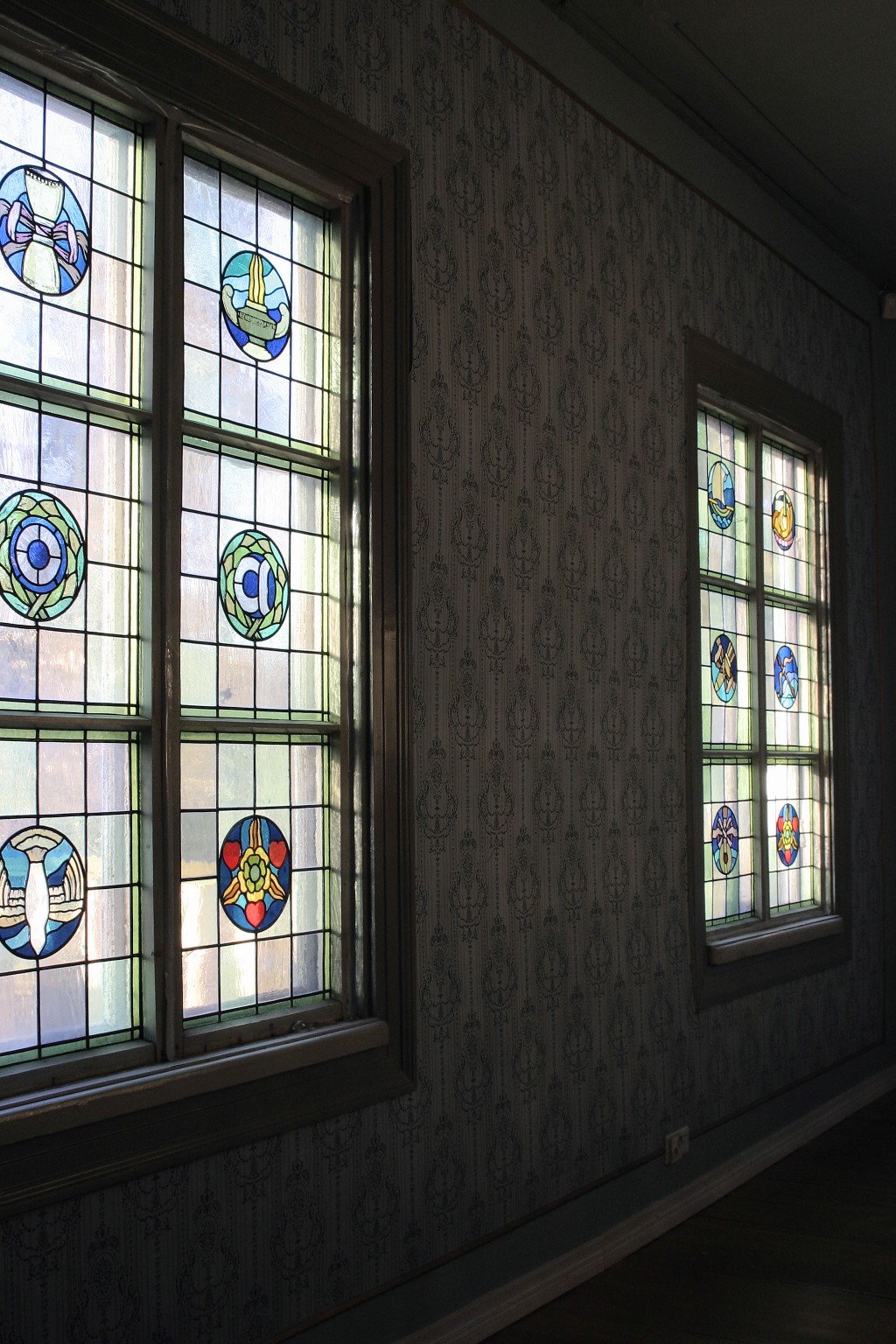
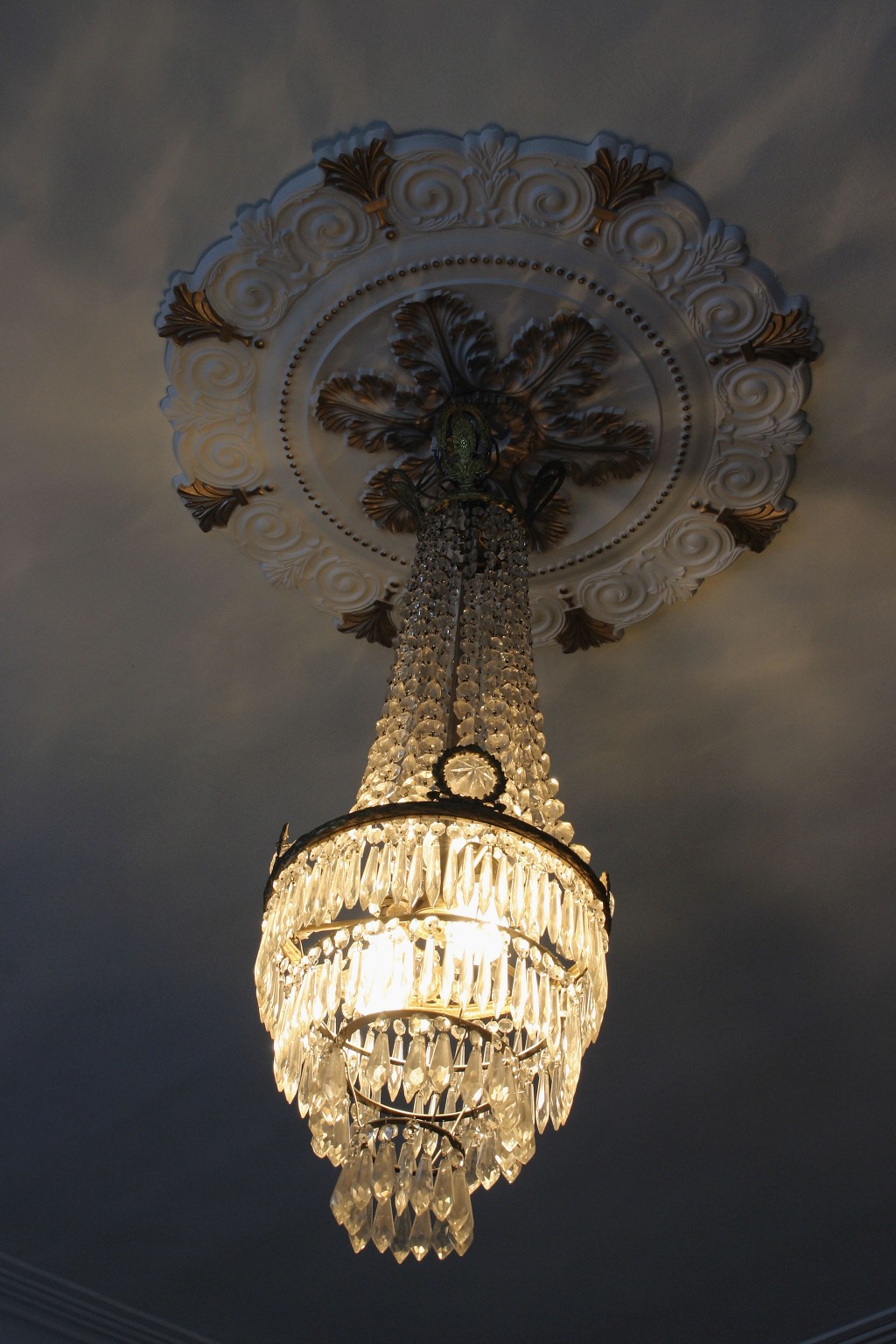
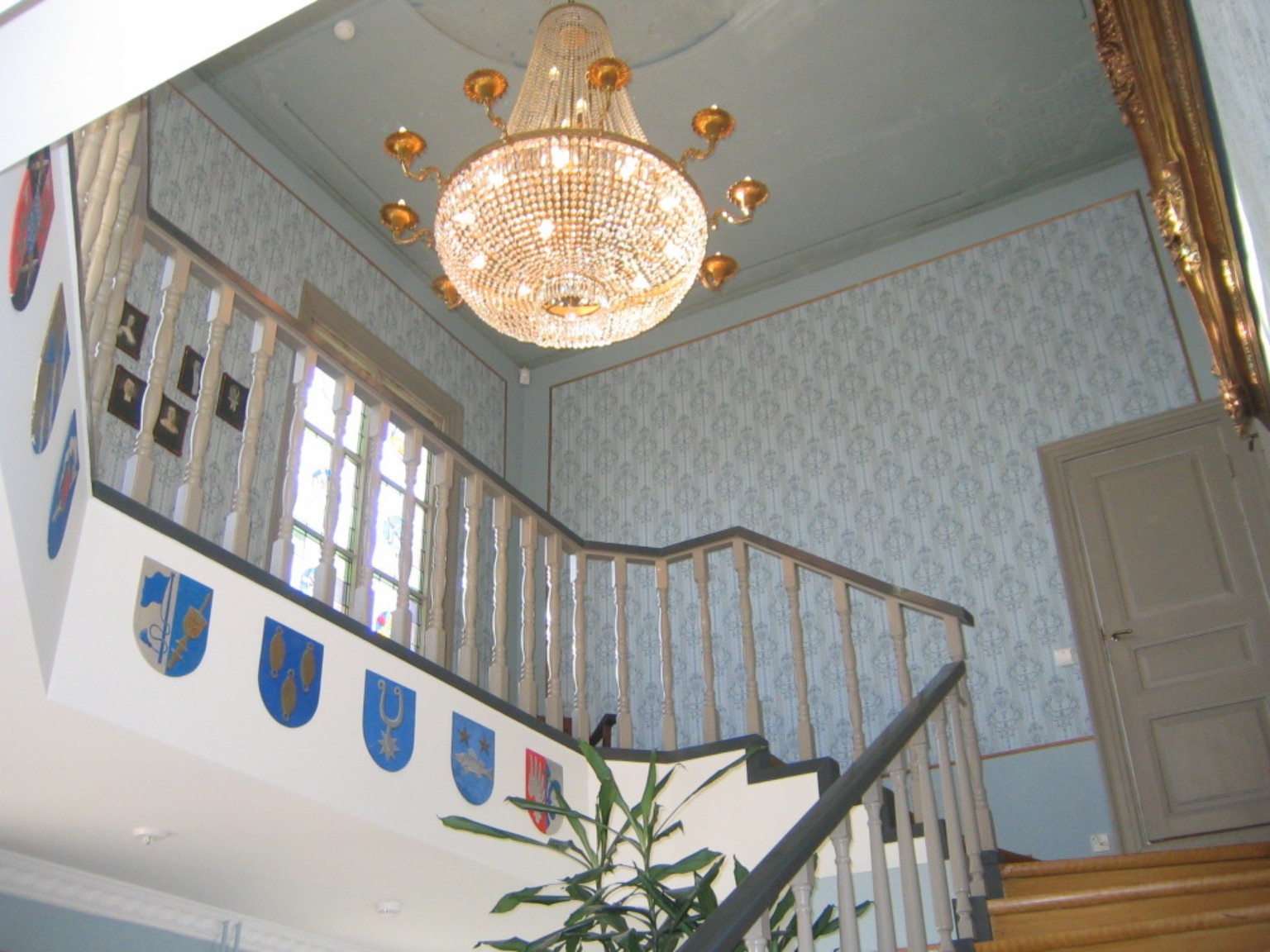
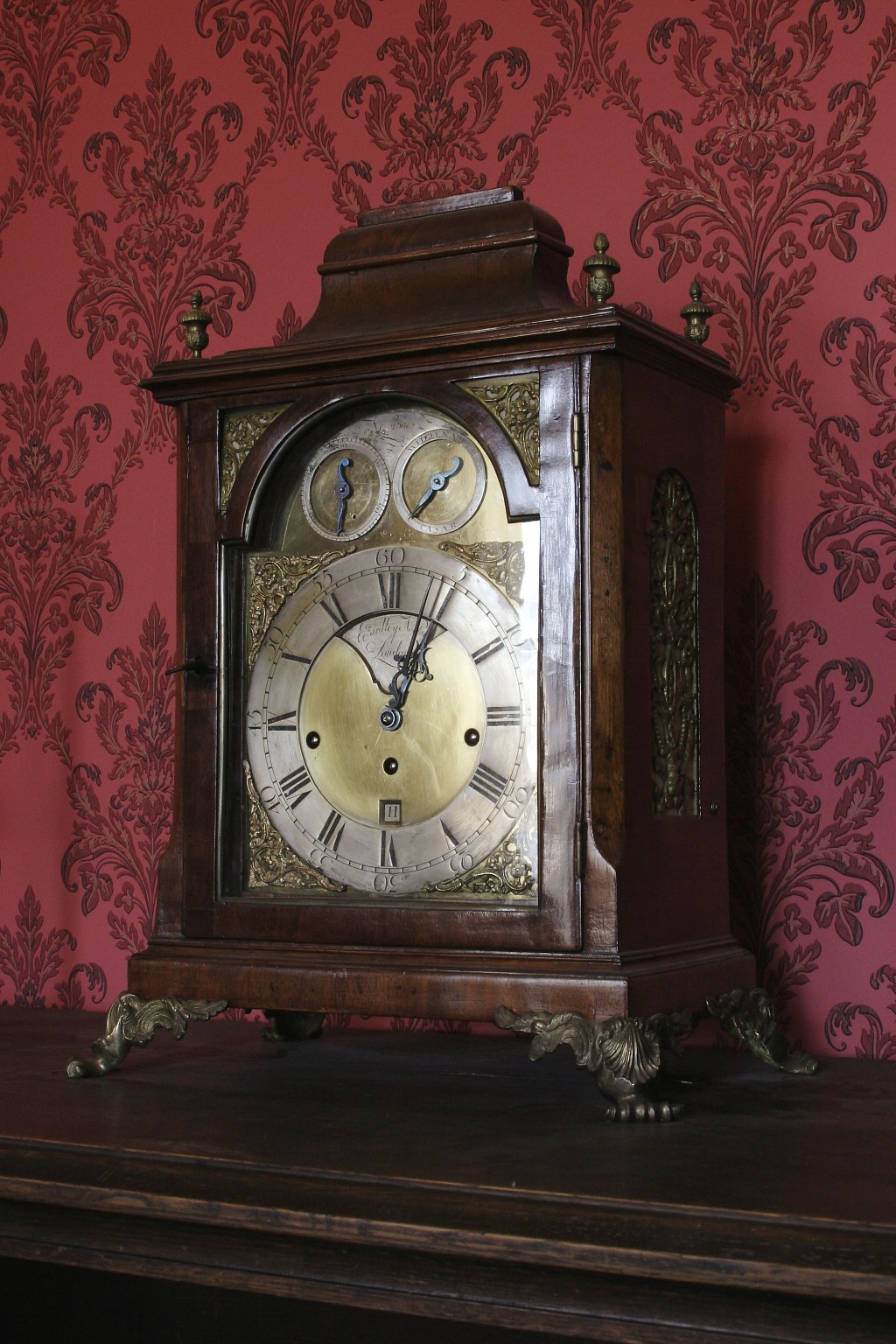
A selection of images from old Kirstula: the historic main building and recognisable interior details of the manor.